Best Roughing Gouges
As an Amazon Associate this site earns from qualifying purchases. If you buy through a link in this article, a small commission comes back at no extra cost to you.
- Best Overall Roughing Gouge - Schaaf Wood Carving Tools
- Best budget - Hurricane Woodturning Roughing Gouge
- Best for Beginners - PSI Woodworking Wood Lathe
- Best for Hobbyists - Bastex Professional Quality Wood Turning Chisel
- Best for Power Users - Robert Sorby Turning Tool Set 8 Pieces
In this article, we break down the best roughing gouges for woodturning, from budget-friendly sets to premium HSS options from brands like Robert Sorby, Hurricane, and Schaaf. As Ernie Conover wrote in Fine Woodworking #123 (1997), "anyone who learns how to handle a gouge with aplomb will be far along the road to mastering turning itself." The roughing gouge is where that mastery begins.
About this guide: This guide compares roughing gouges from budget sets to premium HSS tools based on owner reviews and community feedback: which hold an edge, which handles feel right, and which are worth the money.
Before we go any further, here’s a rundown of our final ranks; feel free to skip ahead to the ones that pique your interest.
Best Overall: Schaaf Wood Carving Tools
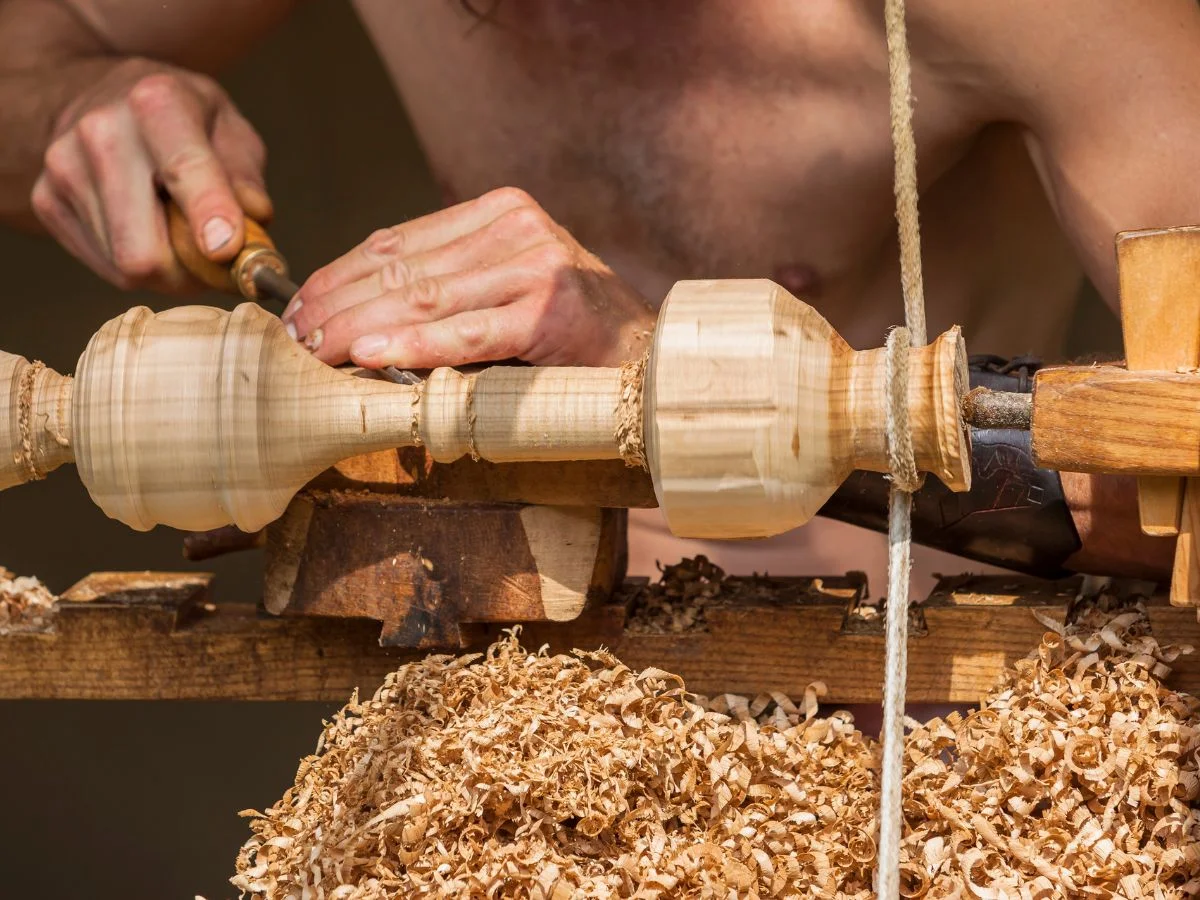
Schaaf Wood Carving Tools on AmazonSuited to both the expert woodturner and the freshest of beginners, Schaaf has definitely lived up to their reputation for producing tools of outstanding quality at affordable prices with this set, easily standing toe-to-toe with their high-end competition.
Fashioned from alloy chromium-vanadium steel, these tools are guaranteed to stave off rust and hold their edge. With a quick sharpening out of the box, these tools will be ready to tackle just about any task you throw at them.
Verdict
High quality and affordable. Comfortable grip handles. Includes a well-made canvas tool holder. It is suited to experts and beginners.
Best Budget: Hurricane Woodturning Roughing Gouge
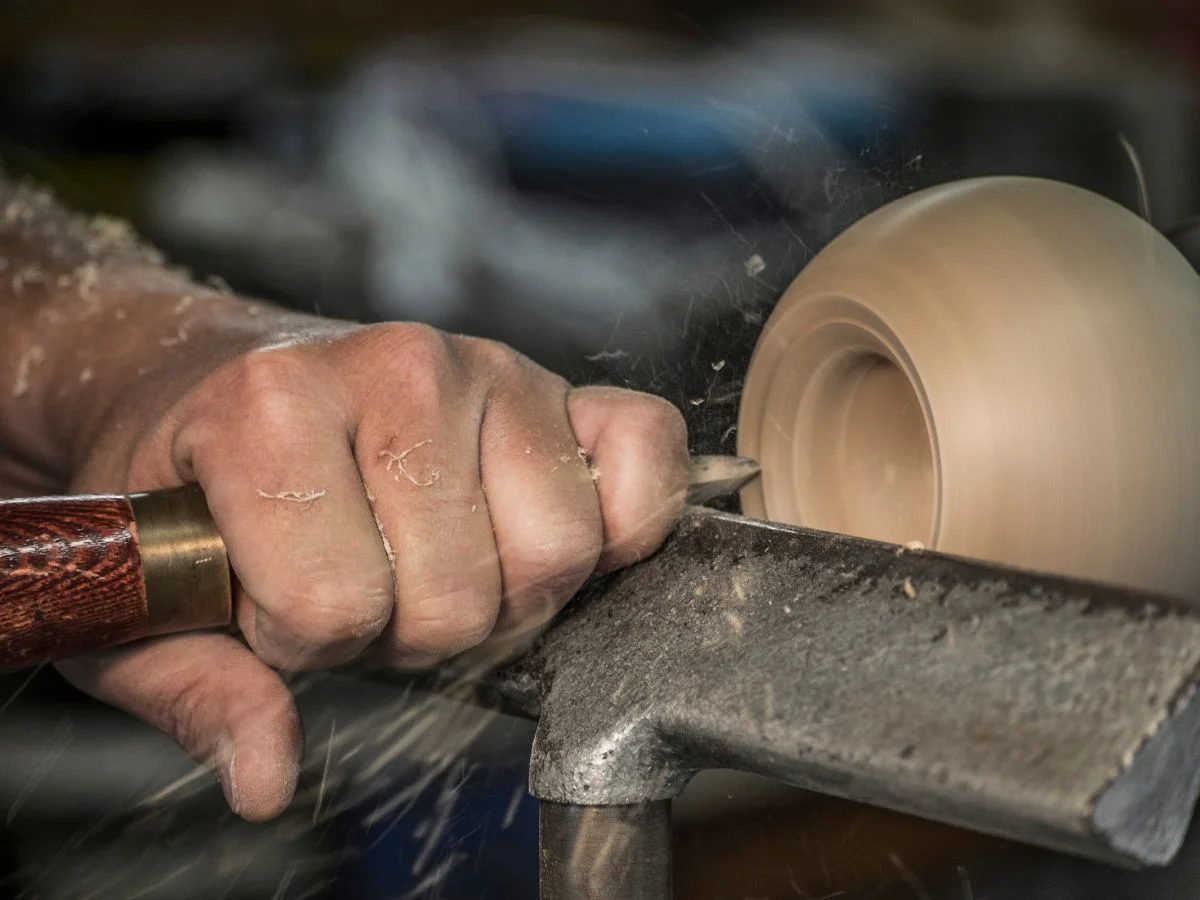
Hurricane Woodturning Roughing Gouge on AmazonFashioned from HSS and coming right out of the box razor-sharp, the Hurricane is remarkably affordable. With a quick touch on the grinder, you’ll be good to go without wasting time.
The ash handle is sturdy and long enough for an easy grip, and the tool as a whole is formidable against both large blanks and suited to more delicate pen blanks.
Verdict
Affordable and good quality for beginners. Comfortable to handle and not too difficult to sharpen. Good starter roughing gouge for experimenting with preferences.
Best for Beginners: PSI Woodworking Wood Lathe Set
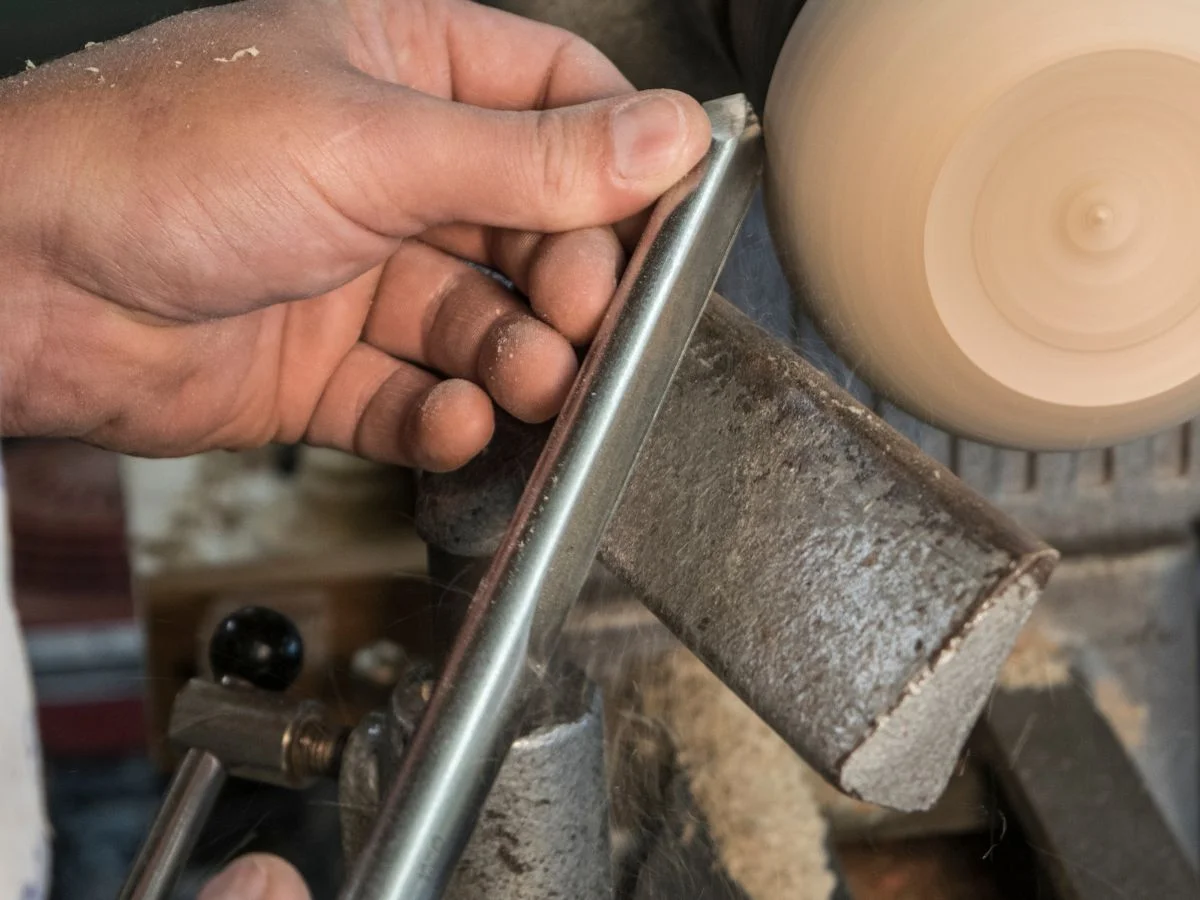
PSI Woodworking Wood Lathe Set on AmazonPerfect for beginners, this 8-piece set, which packs away neatly into its wooden case, is an affordable option that won’t come with any undue surprises. Each tool is firmly set in its handles and will treat you as well as you treat them.
With reasonable upkeep, this is a good set of tools that will help you carve your way into woodturning, and are good to go right out of the box.
While you’ll have quite a bit of sharpening to do with this set, you get the added experience of getting familiar with a flat stone.
Verdict
Affordable and versatile enough to give users an idea of their woodturning preferences. Great for beginners. Requires quite a bit of sharpening as it loses its edge relatively quickly.
Best for Hobbyists: Bastex Professional Quality Wood Turning Chisel Set
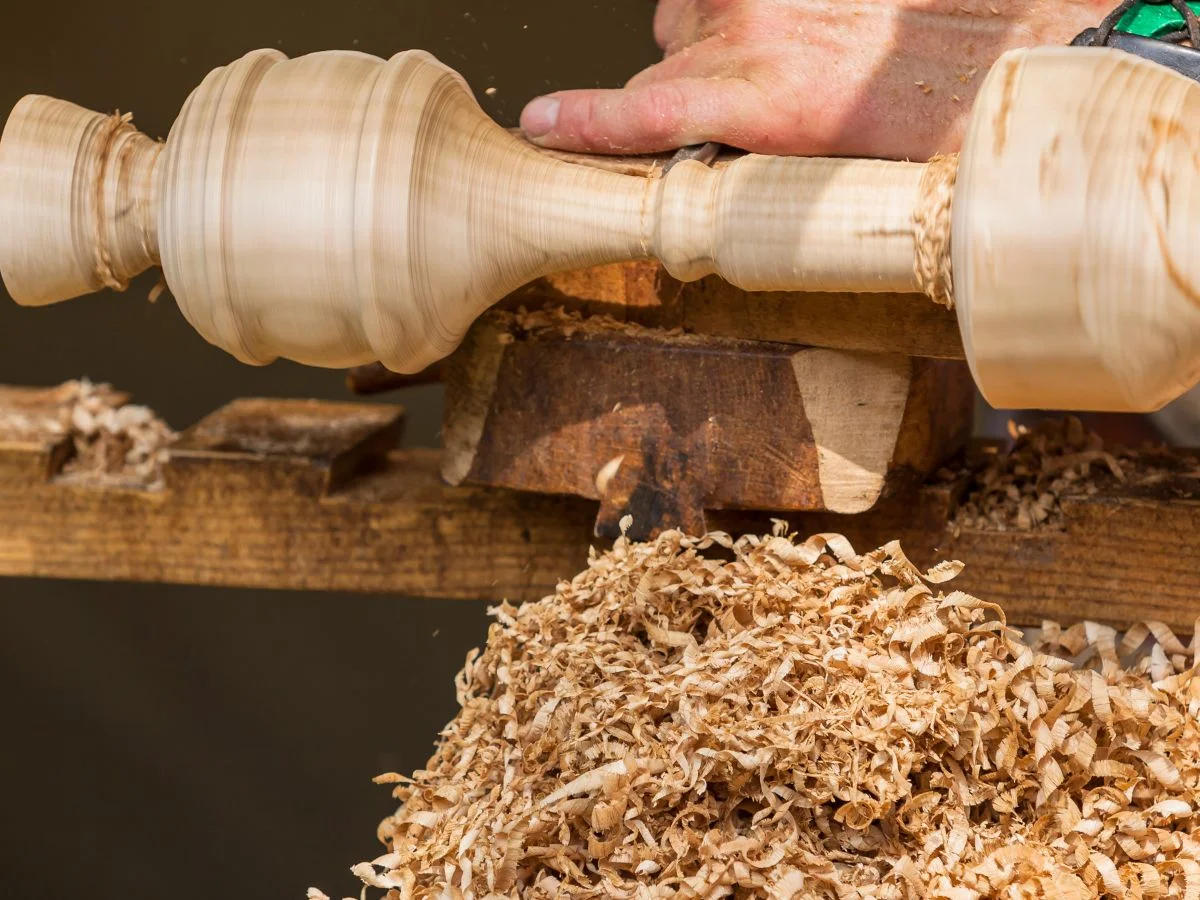
Bastex Professional Quality Wood Turning Chisel Set on AmazonAffordable and forgiving, this set will allow any hobbyist a chance at entering into the world of woodturning.
Although the edges do require periodic sharpening to remain sharp, they hold up fairly well for such an accessible set.
This is also the perfect set for those looking to experiment with new styles without damaging their heavier-duty roughing gouges.
Verdict
Affordable and of reasonable quality. Requires intermittent sharpening to maintain the edge. Best for beginners and those who want to spare their expensive gouges the abuse of roughing cuts.
Best for Power Users: Robert Sorby Turning Tool Set
Robert Sorby Turning Tool Set on AmazonRobert Sorby’s reputation truly does precede them with this 8-piece tool set made from an M2 tungsten-molybdenum HSS that is both well-balanced and wear-resistant.
The steel makes sharpening a breeze while also holding onto its edge for dear life, meaning you can spend more time working and less time making round trips to and from the flat stone.
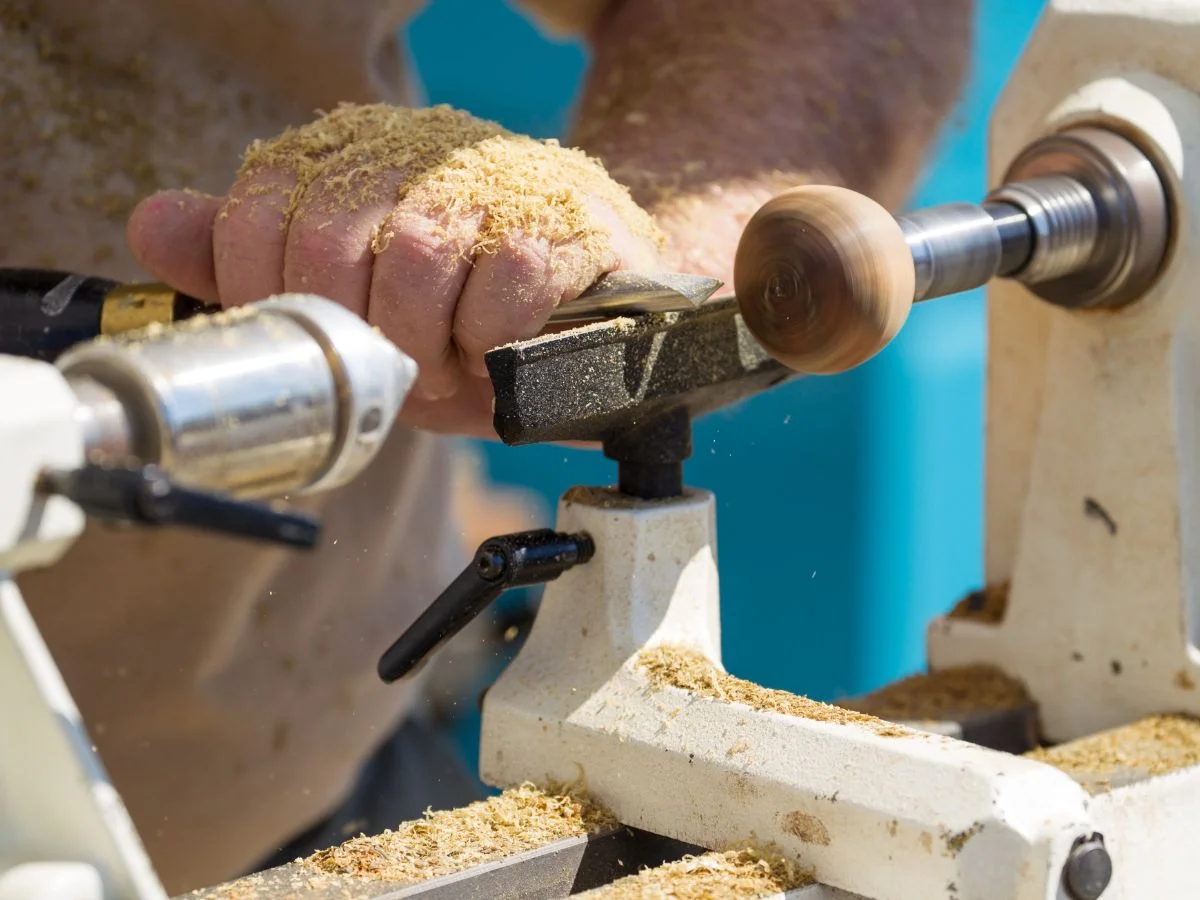
The set includes a ¾” roughing gouge that will appeal to just about any skill level, and treat beginners and experts alike to a masterful turning experience. With long, embellished handles, this set is as striking as it is useful.
The handles are long, ornate and provide excellent control while turning.
Key Features
Great steel quality and provides a versatile set of tools that perform best after an extra edge to truly appreciate the smooth cut. Long handles provide excellent control while turning.
IMOTECHOM 1-Inch Roughing Gouge
IMOTECHOM 1-Inch Roughing Gouge on AmazonAnother example of quality over quantity, this Imotechom model gives you just one 6.7” blade fashioned from HSS, with an 11.8” handle for a comfortable grip.
Like the brand’s other offerings, this gouge comes pre-sharpened, right out of the box.
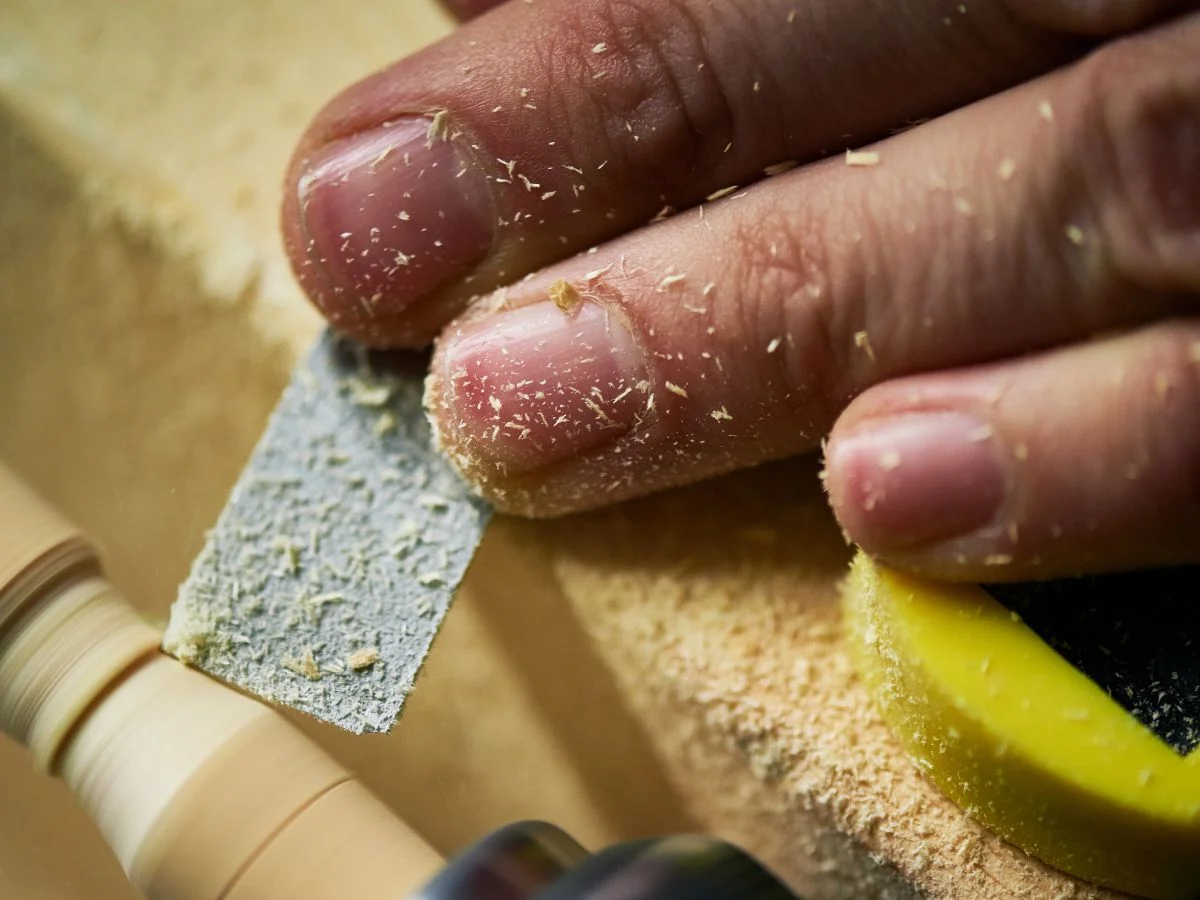
In addition to being a beautiful tool, this roughing gouge has a heavy-duty feel and leaves no doubt that it will be able to hold its own against the most stubborn of blanks.
We would not be surprised to see you reaching for this model most of the time.
Verdict
Made from high-quality wood and steel and versatile enough for most projects. Well balanced and good for a range of experience levels.
IMOTECHOM 2 Pieces HSS Roughing Gouge
IMOTECHOM 2 Pieces HSS Roughing Gouge on AmazonWhen it comes to woodturning tools, we tend to place quality over quantity. The beautiful two-piece Imotechom set, pre-sharpened and fashioned from durable high-speed steel (HSS), would be perfect for your next spindle project.
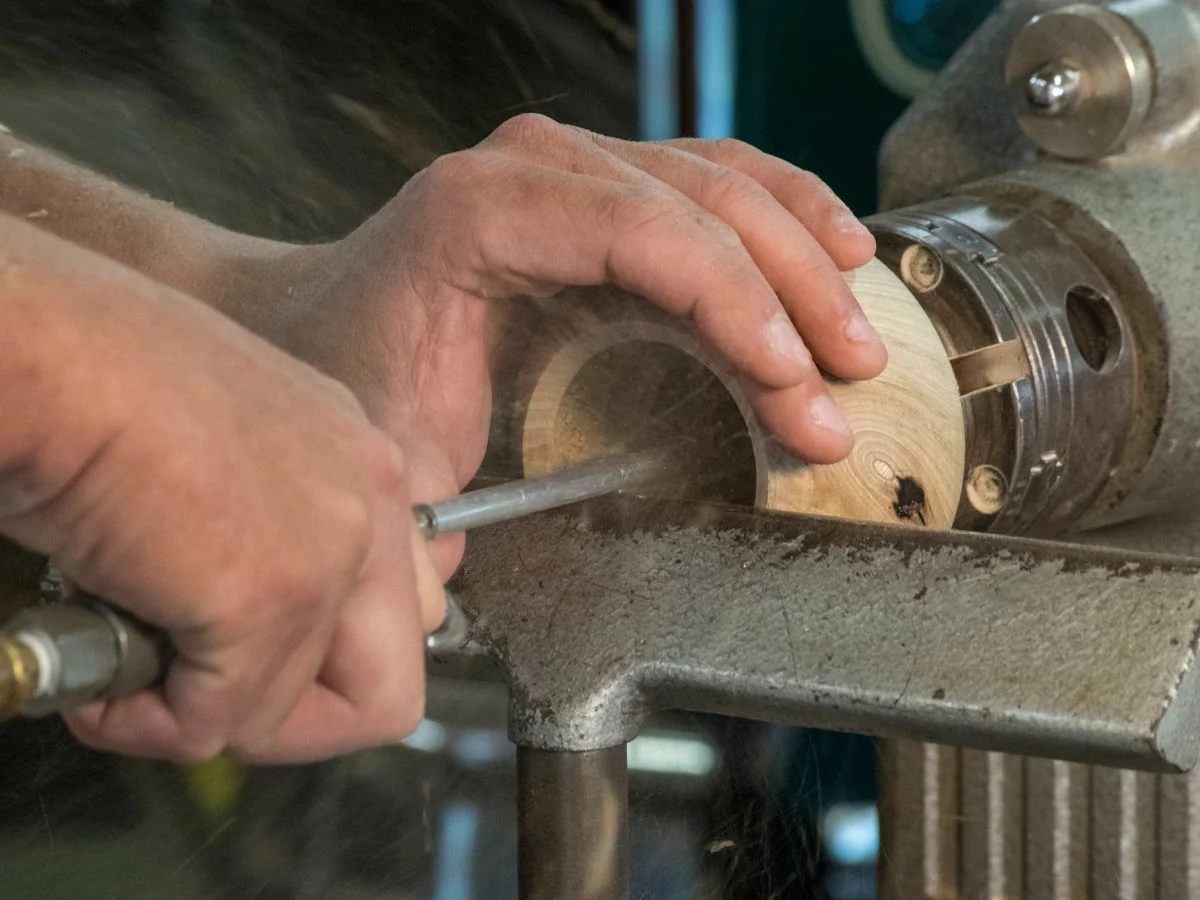
With two blades sitting at 5.1” and 6.7” respectively, this set is versatile enough to get you through just about any project on your roster for years to come. It’s also worth noting that they’re far from unsightly, and will definitely be an aesthetically pleasing addition to your workbench.
Verdict
Made from high-quality wood and steel and versatile enough for most projects.
Things To Keep In Mind When Selecting The Best Roughing Gouge For You
Spindle roughing gouges, more commonly known simply as roughing gouges, are the first tool you’d reach for on a spindle project. They come in loads of different shapes and sizes, with different models suited to different projects and types of wood.
It’s also easy to confuse a roughing gouge with a spindle gouge, especially when you’re buying a kit that includes both.
A spindle gouge is suited to more detailed work and finer shaping, and a roughing gouge has a more pronounced flute and thicker steel on its side.
But when it comes to roughing gouges, there’s still lots of variety. So how do you know which is best for you?
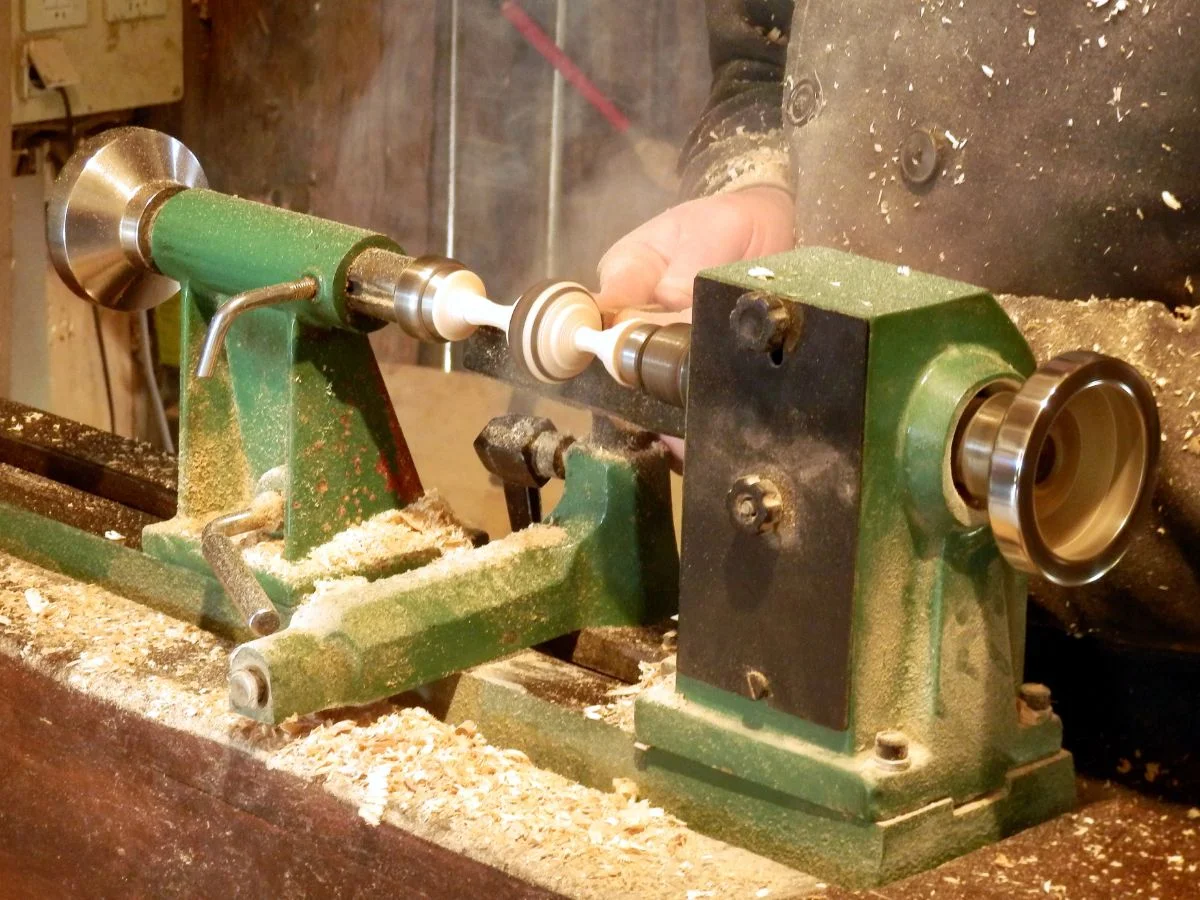
Firstly, it’s most important to keep your experience level in mind before hitting the shops. Beginners might want to hold back on the heftier splurges until you’ve got your footing and a better idea of your preferences and work style. See also:** Guide to Best Woodturning Tools**.
You still get a very nice roughing gouge after you figure out how to use them.
Beyond that, the following three factors are good to take into consideration:
Brand
With woodturning, as with just about any other hobby, the quality of our instruments matters. This is why when you’re on the market for a tool that’s going to last you a lifetime, you’ll want to pay attention to its branding.
Be sure to pick a brand with not only a good reputation, but that uses quality materials that aren’t going to wither away within a couple of uses.
In our case, we do review a few Chinese and off-brands, but only because their bang-for-buck is frequently unmatched.
Steel
You’re probably going to be picking between High-Speed Steel (HSS) and Powdered Steel (PS), which are the two top dogs of the roughing gouge market.
Both are quality materials that will hold an edge, but PS tends to fetch a higher price tag than HSS, which is generally more affordable and just as good for beginners.
See also:** Carbide VS. Traditional HSS Woodturning Tools**.
Price
Lastly, you’re going to want to keep your budget in mind before making any purchases. It’s easy to blow the bank for a new hobby when every purchase is exciting and promising.
Remember that the price range for tools varies greatly, so you’ll probably be able to find something that suits you regardless of your budget.
Tips for Using Your Roughing Gouge
If you’re eager to get to work with your roughing gouge, go in prepared. Here’s what to keep in mind.
Safety First
If you’ve got even just a lick of experience in woodturning, you know that things can get hairy, and quick. Whether it’s just an errant splinter, or something worthy of the ER, it's best to err on the side of caution when working with tools such as these.
Even though roughing gouges are referred to as such colloquially, their official names are spindle roughing gouges. This is because they’re only meant to be used to rough out the initial blank of a spindle project.
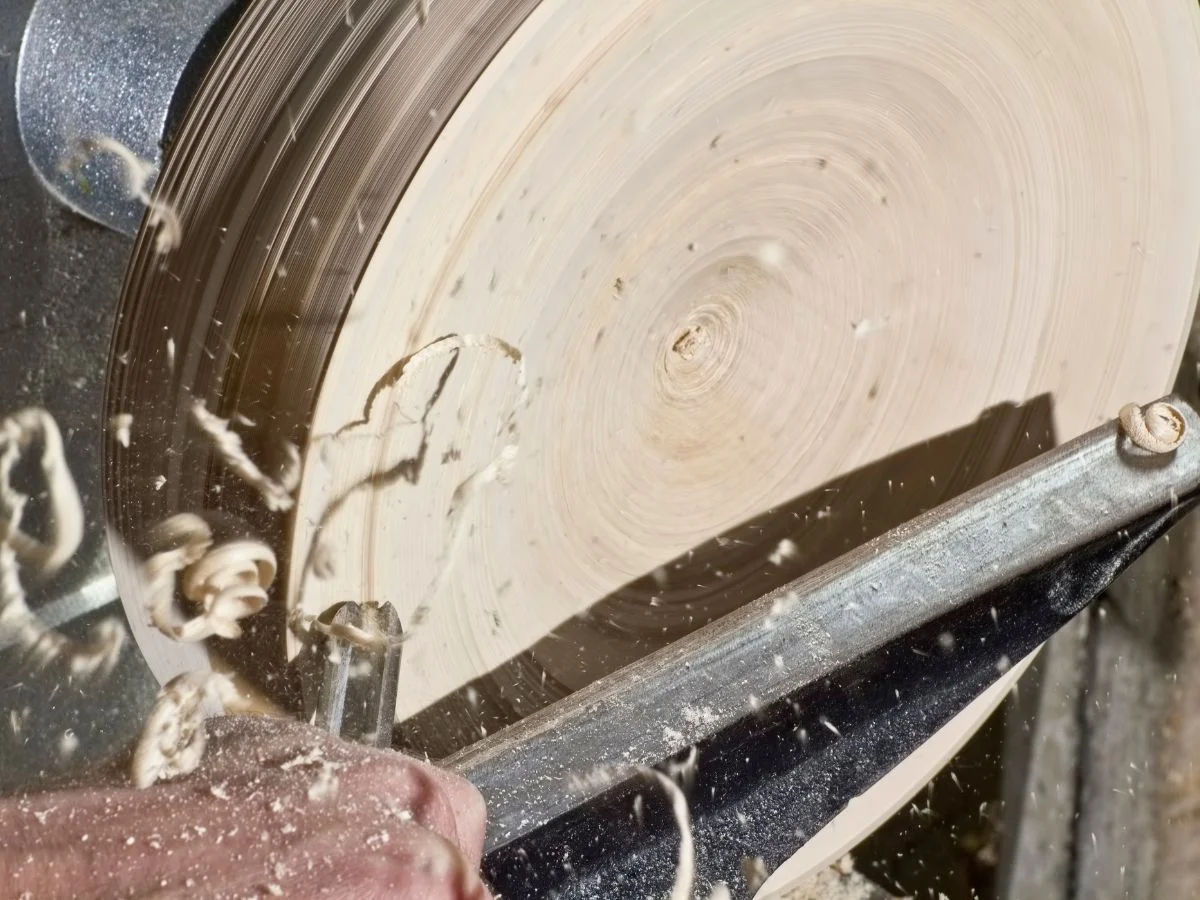
We’ve already covered the difference between these and bowl gouges, but you should know never to use a roughing gouge on a bowl blank or on cross-grain wood, where its thinner tang can snap. Let them stick to what they do best.
Furthermore, we just know that everyone and their mother had reminded you of this, but it’s worth another mention; always be equipped with the proper safety equipment when starting a project.
Woodturning is genuinely fun, but a spinning blank at 3,000 RPM is not forgiving of errors, and we would very much like for all our readers to stay intact.
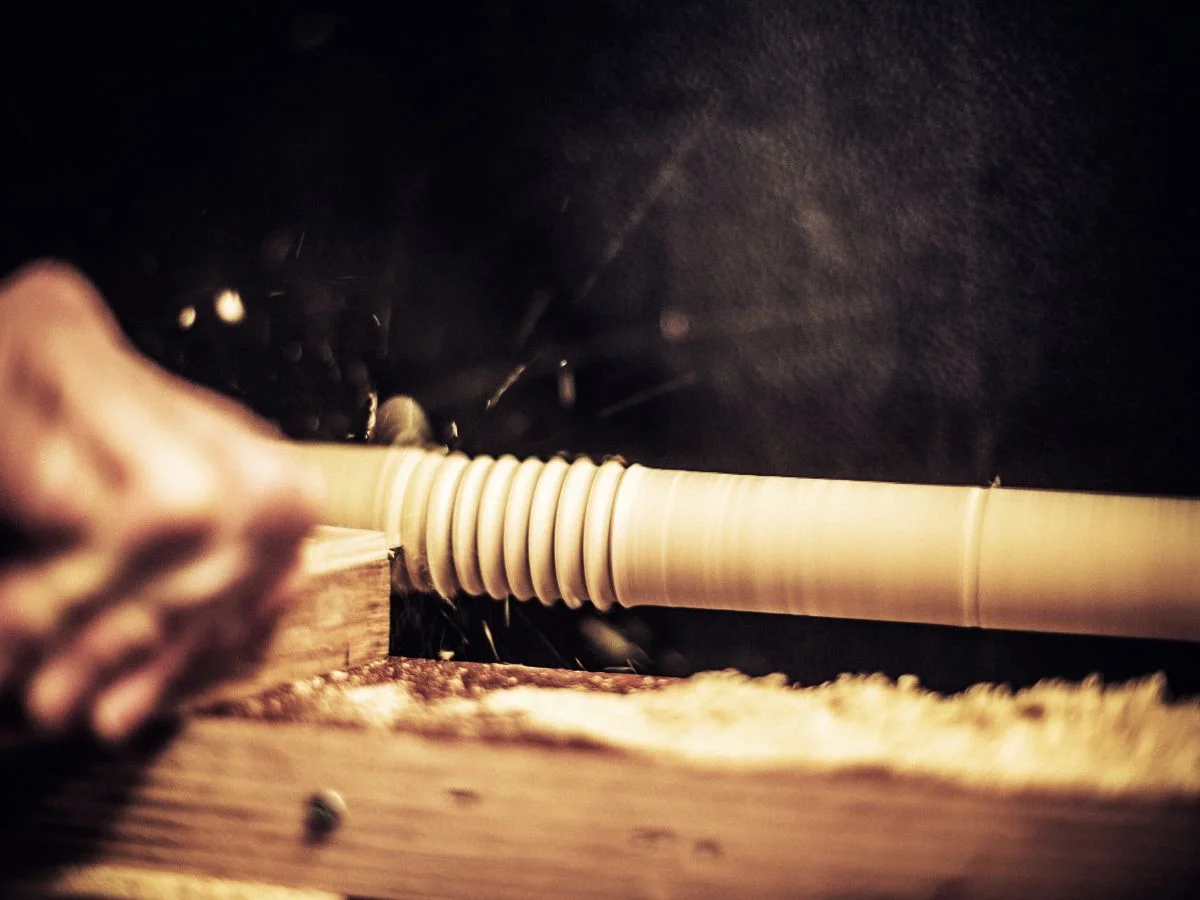
The ABCs of Woodturning
Another thing for you to know are the ABCs. In this case:
- Anchor,
- Bevel,
- Cut.
It’s probably the easiest way to understand how to use a roughing gouge.
Anchor
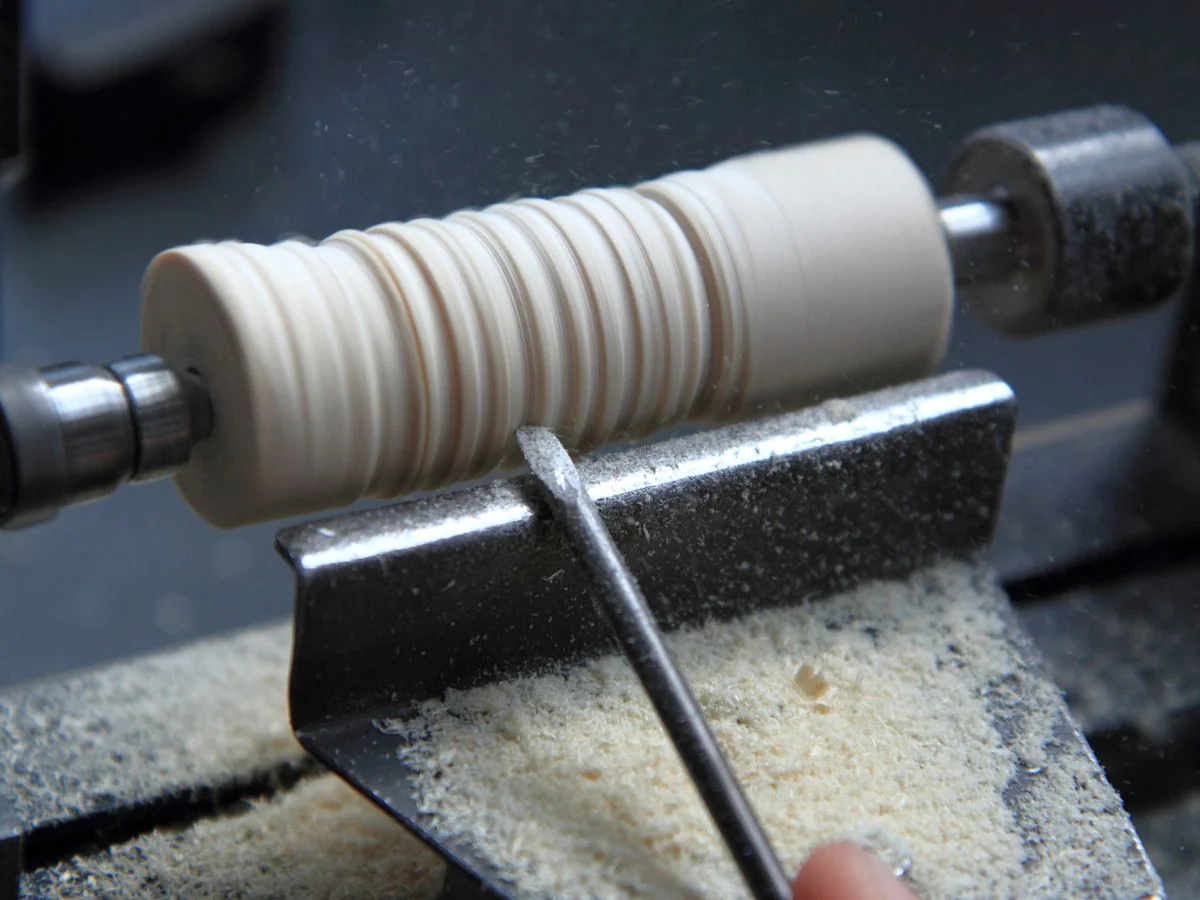
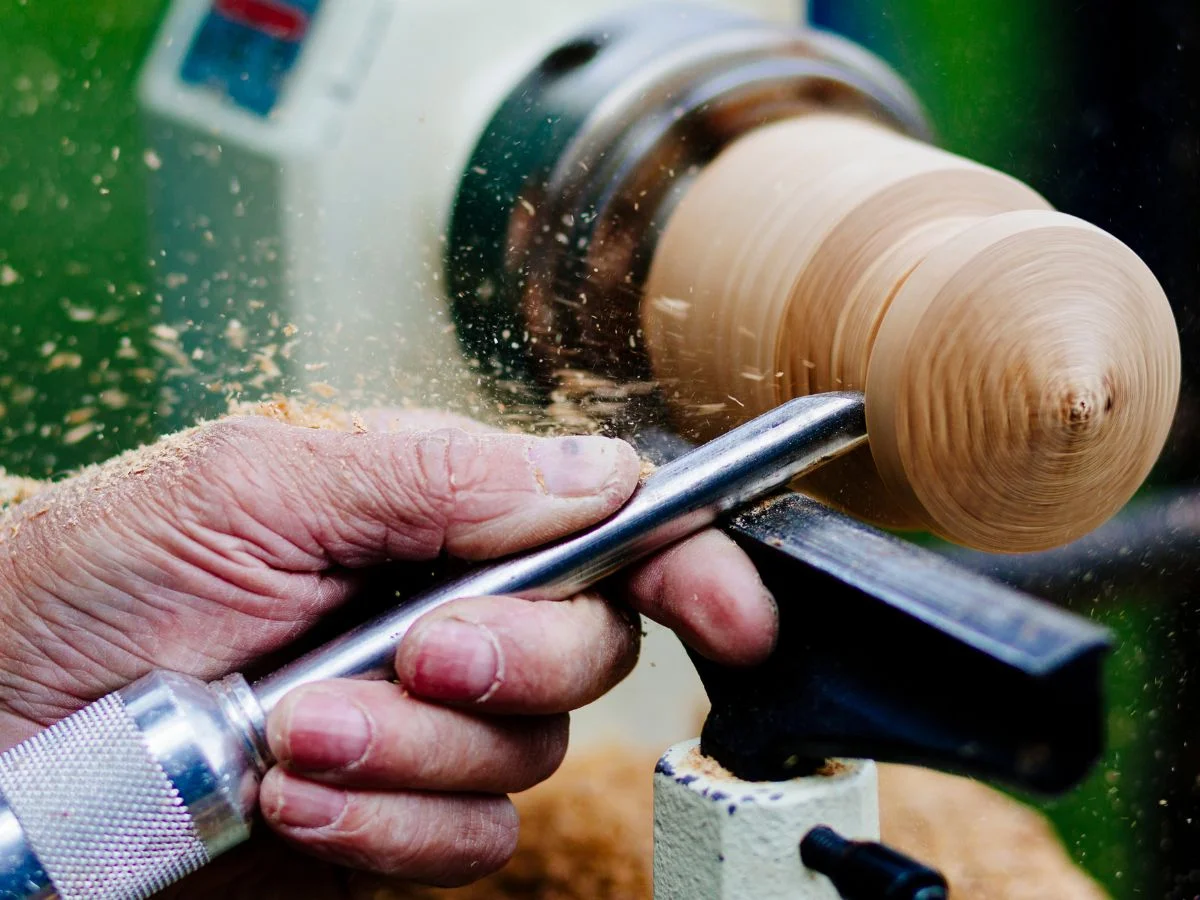
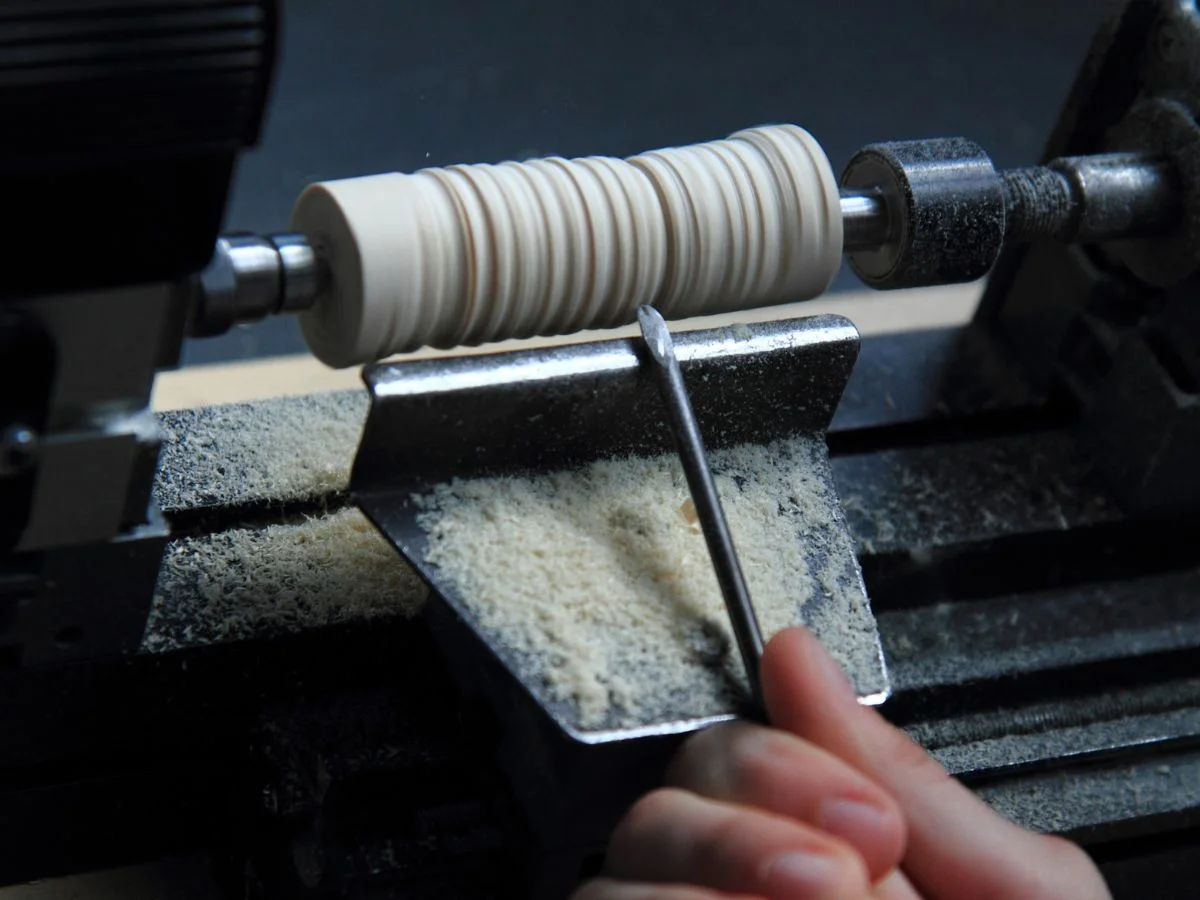
Anchor your roughing gouge on the tool rest, and ensure that this is done firmly; you don’t want your tool going flying across the workshop.
Be sure to adjust the tool rest so it’s lined up to about the middle of the wood block too.
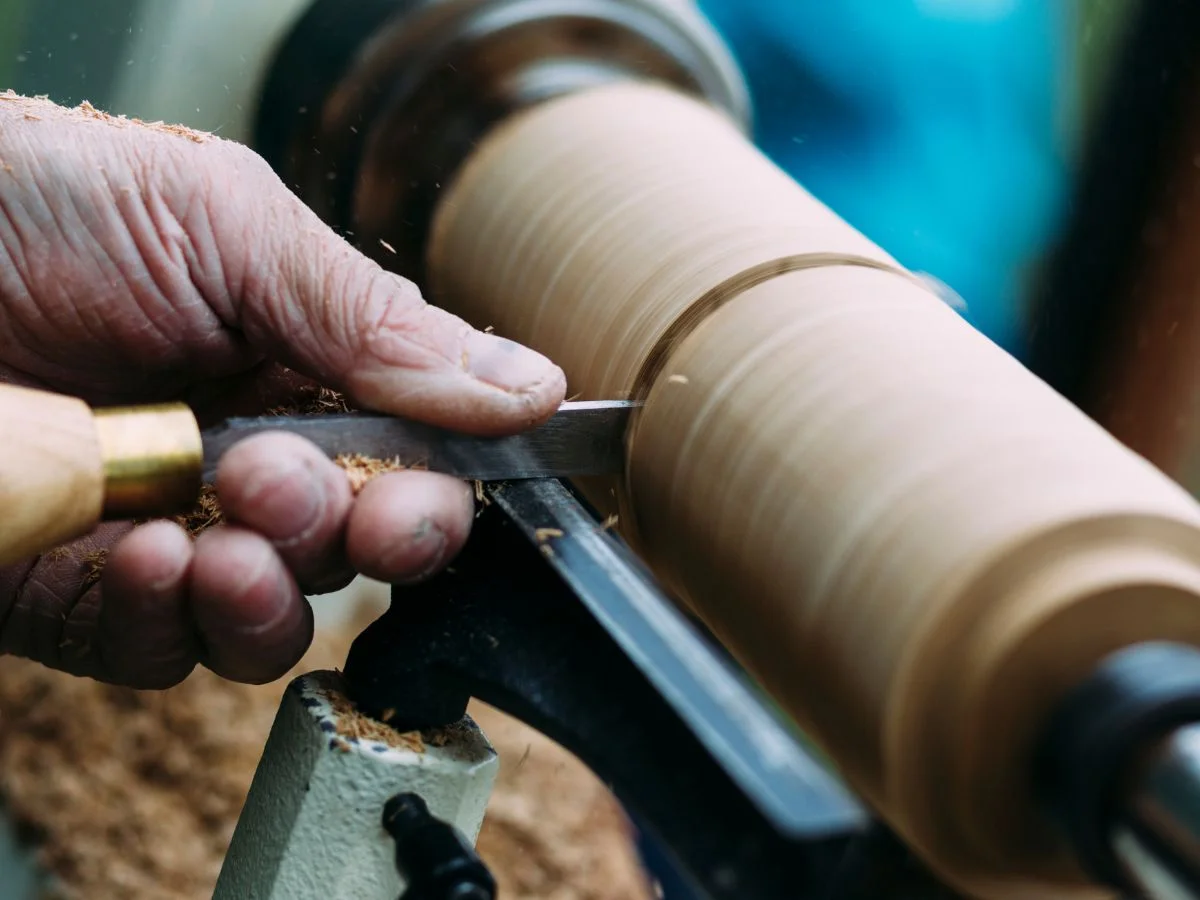
Bevel
Move the bevel against the wood block, which you’ll do by angling your roughing gouge while it rests against the tool rest. It’s a little tricky at first, but make sure that you maintain support on your gouge throughout the cutting process.
Cut
Simple enough, keep the bevel on the wood block and move it in back-and-forth motions to cut through the wood and smooth it out.
What Makes a Good Roughing Gouge
Not all roughing gouges are equal. Here's what to look for based on Conover's advice in Fine Woodworking #123 (1997) and Peter Child's gouge analysis in Fine Woodworking #5 (1977):
Steel quality matters most. Carbon steel roughing gouges are cheap and sharpen easily, but they lose their edge fast. You'll be back at the grinder every 5 minutes on hard maple. HSS (high-speed steel) costs more upfront but holds an edge 3-5x longer. M2 HSS is the standard; M42 (cobalt HSS) is premium but overkill for a roughing gouge.
| Steel Type | Edge Retention | Ease of Sharpening | Price Range |
|---|---|---|---|
| Carbon steel | Short (5-10 min) | Very easy — any stone or grinder | $15-30 |
| HSS (M2) | Long (30-60 min) | Easy on a grinder, harder by hand | $25-60 |
| M42 cobalt HSS | Very long | Harder to grind | $50-80+ |
Tang construction is a safety issue. Budget gouges use a tang (pointed spike) driven into the handle. Premium tools are full-length — the steel runs through the entire handle. A tang-mounted roughing gouge can separate from its handle under heavy cuts, which is dangerous. Fine Woodworking #40 (1983) covered this safety concern extensively. Never use a tang-mounted roughing gouge for heavy roughing on a faceplate.
Flute profile determines cut quality. Roughing gouges have a wide, shallow U-shaped flute, much wider than a spindle or bowl gouge. The standard bevel angle is 45°. A wider flute clears chips better on heavy cuts but is harder to control for finishing passes.
Roughing Gouge Technique Basics
A roughing gouge is designed for one job: turning a square blank into a round cylinder between centers. Despite its name, it can also produce surprisingly smooth surfaces when used correctly.
- Bevel angle: Grind at 45°. Steeper angles (50-55°) work for harder woods but remove material more slowly.
- Cut direction: Always cut from center toward the ends (downhill). Cutting uphill against the grain tears fibers.
- Tool presentation: Start with the flute at 10 o'clock (slightly closed). As you push forward, the bevel should ride the wood. If you hear a smooth whoosh, you're cutting. If you hear a scraping sound, the bevel isn't engaged.
- When NOT to use a roughing gouge: Never use a roughing gouge on bowl work (faceplate turning). The wide flute can catch on faceplate work and the tang can fail under the forces involved. Use a bowl gouge for faceplate work instead.
Frequently Asked Questions
Frequently Asked Questions
Written by Vince
Vince is a woodturner and the founder of WoodturningOnline. He writes tool reviews, buying guides, and turning tutorials to help woodturners at every level make informed decisions about their craft and equipment.